
Crabgrass Control for Harrisonburg Lawns: Timing Is Everything
Stop crabgrass before it starts. Learn when to apply pre-emergent in Harrisonburg, what to do if crabgrass is already up, and how thick turf keeps it out.

Crabgrass doesn't sneak in. It announces itself every July: light green, coarse clumps sprawling across thin spots, along driveways, and wherever the lawn got scalped. By August it's everywhere. By the first frost it's dead, leaving brown patches behind. And next year, the seeds it dropped start the cycle all over again.
The good news is that crabgrass is one of the most predictable weeds in the lawn. Once you understand how it grows, you can stop it before it starts. Here's how to control crabgrass in Harrisonburg lawns.
Know Your Enemy
Crabgrass is a warm-season annual grass. That means:
- It sprouts from seed each spring once the soil warms
- It grows fastest in the heat of summer, when cool-season tall fescue slows down
- It produces thousands of seeds per plant by late summer
- It dies with the first hard frost
- Its seeds survive in the soil to sprout the next year
Because it starts from seed every year, the key to control is stopping those seeds from becoming plants.
Timing Is Everything: Pre-Emergent Control
Pre-emergent herbicides form a barrier in the top layer of soil that stops crabgrass seedlings as they germinate. They don't kill existing crabgrass, so timing matters.
Crabgrass begins germinating when soil temperatures reach roughly 55°F for several days in a row. In the Harrisonburg area, that typically happens sometime in spring, depending on the year. A popular natural signal is the forsythia bloom: when forsythia shrubs are in full yellow bloom, it's usually time to apply pre-emergent.
- Too early: The product may break down before late-germinating crabgrass sprouts.
- Too late: Crabgrass has already germinated and the barrier won't stop it.
- Split applications: Some programs apply half the product in early spring and half several weeks later to extend protection into summer.
Water the product in as directed on the label so it moves into the soil.
The Overseeding Conflict
Here's the catch: most pre-emergents also stop desirable grass seed from germinating. If you plan to seed thin areas in spring, you'll need to choose between seeding and standard pre-emergent, or use a product specifically labeled as safe for new seedings. That's one reason fall is the preferred time to overseed tall fescue in the Valley. You can seed in fall and apply pre-emergent the following spring without conflict.
What If Crabgrass Is Already Up?
If crabgrass has already sprouted, you have a few options:
- Hand-pull young plants before they spread and set seed. Small clumps come out easily when the soil is moist.
- Post-emergent herbicides labeled for crabgrass can control young plants. They're most effective early in the season when plants are small.
- Prevent seeding. If it's late summer and plants are large, focus on preventing seed production by mowing and bagging seed heads, then plan for pre-emergent next spring.
The Best Long-Term Defense: Thick Turf
Crabgrass needs sunlight and bare soil to germinate. A thick, healthy lawn shades the soil and leaves little room for it. That's why cultural practices matter as much as herbicides:
- Mow high. Keeping tall fescue at 3 to 4 inches shades the soil surface and suppresses crabgrass germination.
- Fertilize in fall to build dense turf for spring.
- Overseed thin areas in early fall.
- Water deeply and less often. Frequent shallow watering favors crabgrass over fescue.
- Fix problem areas. Compacted soil along driveways and walkways is prime crabgrass territory. Aeration helps.
Our post on how often to aerate your lawn explains how aeration supports thicker turf.
Where Crabgrass Shows Up First
- Along driveways, sidewalks, and curbs where soil heats up fast
- Thin, sunny areas of the lawn
- Spots that were scalped by low mowing
- Areas damaged by summer drought or disease
- Edges of beds where mulch has thinned out
Pay extra attention to these areas when applying pre-emergent and overseeding.
Crabgrass in Beds and Hardscapes
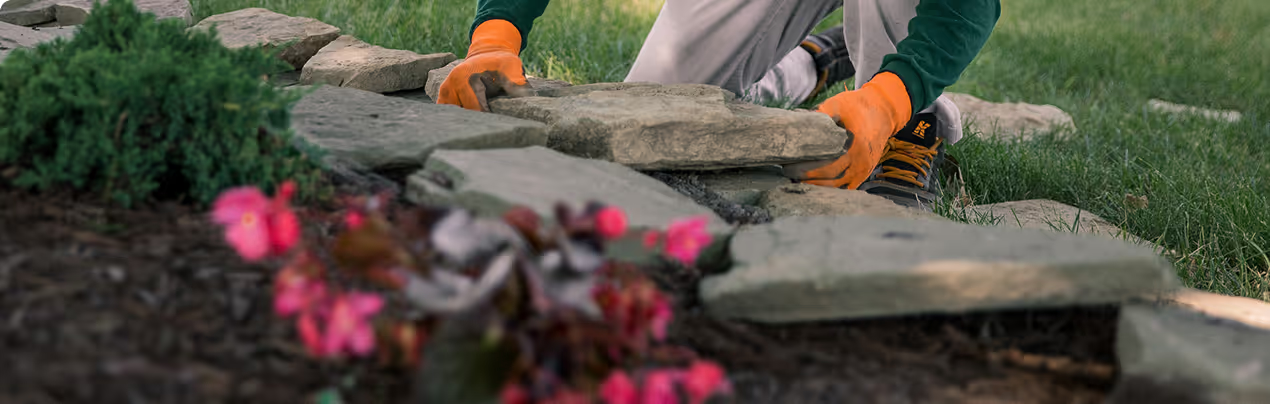
Crabgrass doesn't stay in the lawn. It also sprouts in thin mulch and between pavers. Keeping two to three inches of mulch in beds helps block seeds from sprouting. For patios and walkways, filling joints properly reduces the gaps where weeds take hold. See our guide on when to apply mulch.
A Simple Crabgrass Calendar for Harrisonburg
- Early spring: Apply pre-emergent around forsythia bloom.
- Late spring: Consider a second application for extended control.
- Summer: Spot-treat or hand-pull escapes, mow high.
- Late summer: Prevent seed heads where possible.
- Early fall: Aerate, overseed, and fertilize to thicken turf.
Common Questions
Is crabgrass the same as other grassy weeds?
No. Weeds like nutsedge and tall fescue clumps in a bluegrass lawn are often mistaken for crabgrass, but they need different treatments. Proper identification comes first.
Will crabgrass come back if I pull it?
Pulling removes the plant, but seeds already in the soil can still sprout. That's why pre-emergent control and thick turf are so important for long-term results.
Does one pre-emergent application last all season?
Not always. Many products provide several weeks to a few months of control, which is why some programs use split applications.
Get Crabgrass Under Control
Virginia Landscape Company provides turf services including weed and pest management, custom fertilization programs, and soil testing for homes and businesses in Harrisonburg, Dayton, Penn Laird, Bridgewater, and McGaheysville.
Contact us or call 540-208-9603 to plan your crabgrass prevention before spring.

Ready to reimagine your landscape?
Contact Us
We’re ready to bring your landscape vision to life. Reach out and start your outdoor transformation today.


